

Southeast Asian discovery
Discover Vietnam’s timeless charm and rich heritage
From the mist-covered mountains of the northern frontier to the fertile waterways of the Mekong Delta, this S-shaped country presents a tapestry of contrasting travel experiences. Travelers navigate between ancient pagodas and modern skyscrapers, discovering a nation advancing forward while honoring its past.
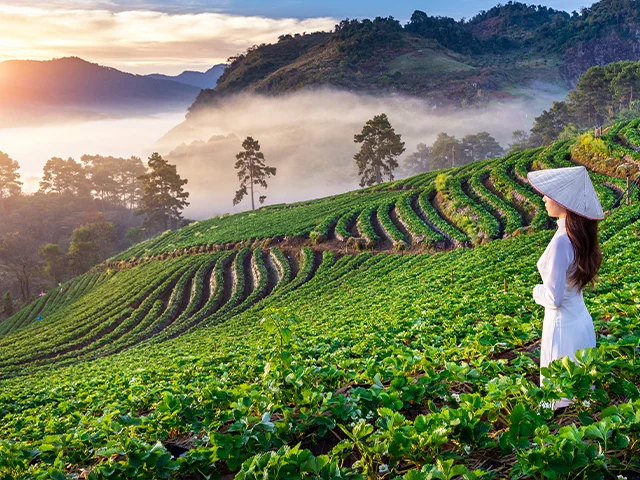
Trekking through Northern highlands and terraced valleys
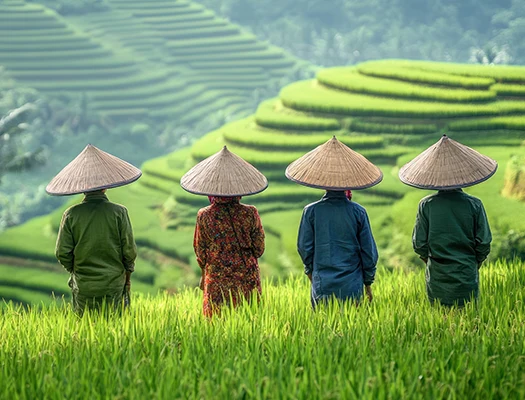
Trekking through Sapa unveils emerald rice terraces carved into steep mountainous slopes, where ethnic minority communities preserve centuries-old agricultural traditions amidst the rolling clouds.
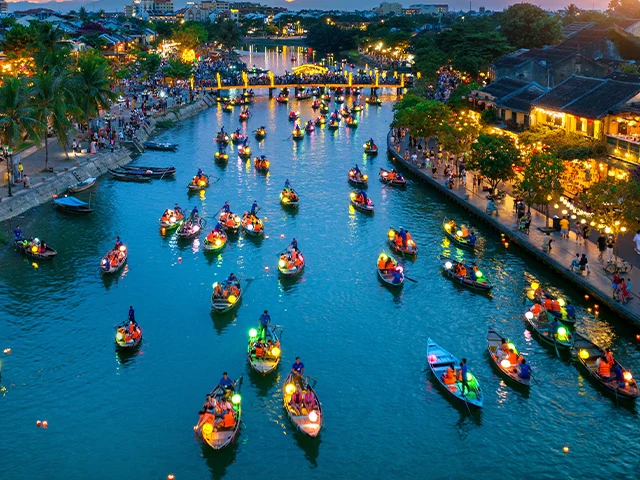
Where to experience central coast heritage and colonial charm
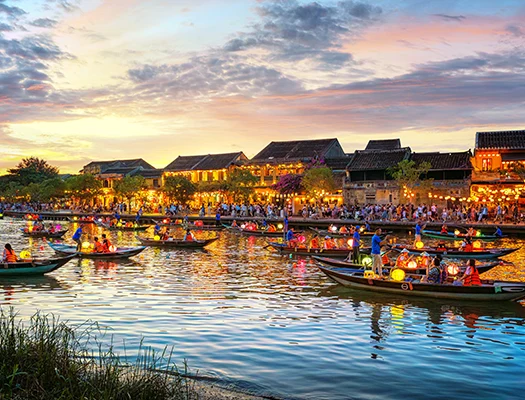
The ancient town of Hoi An illuminates the night with thousands of silk lanterns, reflecting off the river alongside preserved colonial architecture and historic merchant houses.
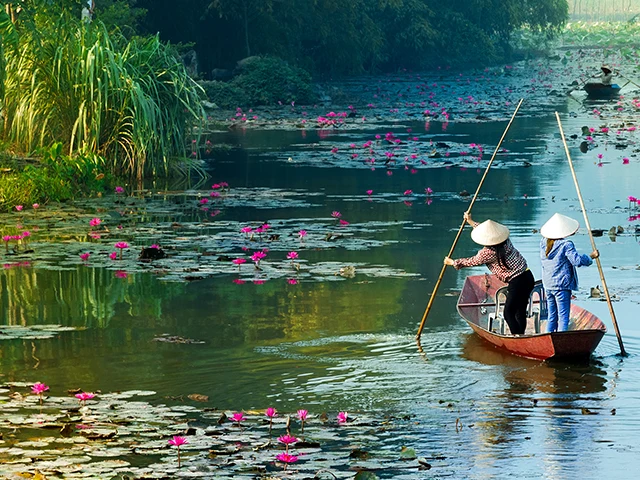
Floating markets and authentic southern delta river life
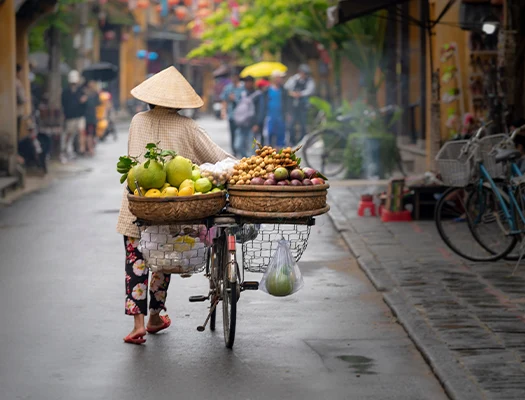
Floating markets in Can Tho awaken before dawn, where wooden boats laden with vibrant tropical fruits, fragrant flowers, and local delicacies trade busily across the vast network of winding river channels.
How ancestral traditions shape daily Vietnamese life
Daily life remains deeply rooted in Confucian values and spiritual mindfulness, visible through family altars present in every home and business. Respect for elders and community harmony dictates social interactions, creating a structured yet welcoming atmosphere for visitors observing these intricate social dynamics. Ancient customs blend seamlessly with contemporary living.

Tea ceremony rituals and Vietnamese hospitality
Hosting guests involves the ritualistic preparation of lotus-infused green tea. This serves as a gesture of hospitality and a moment for calm reflection.

Understanding the Ao Dai as cultural symbol
This flowing tunic worn over trousers symbolizes grace and beauty. It evolved from royal court attire to a national emblem worn on special occasions.

Incense burning rituals at Buddhist temples
Burning incense at temples connects the living with the spirit world. This practice is observed faithfully on the first and fifteenth days of the lunar month.
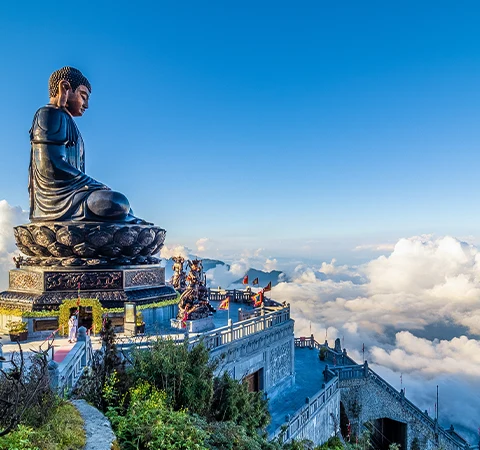
Planning cultural itineraries across Vietnam’s historic regions
Vietnam’s cultural itineraries weave ancient dynasties, spiritual rituals, and living traditions into meaningful journeys. Travelers follow heritage routes linking temples, imperial citadels, craft villages, and sacred landscapes to grasp regional identities. Each path reveals customs, festivals, cuisine, and storytelling shaped by centuries of history, resilience, and cultural exchange across north, central, and southern provinces nationwide.
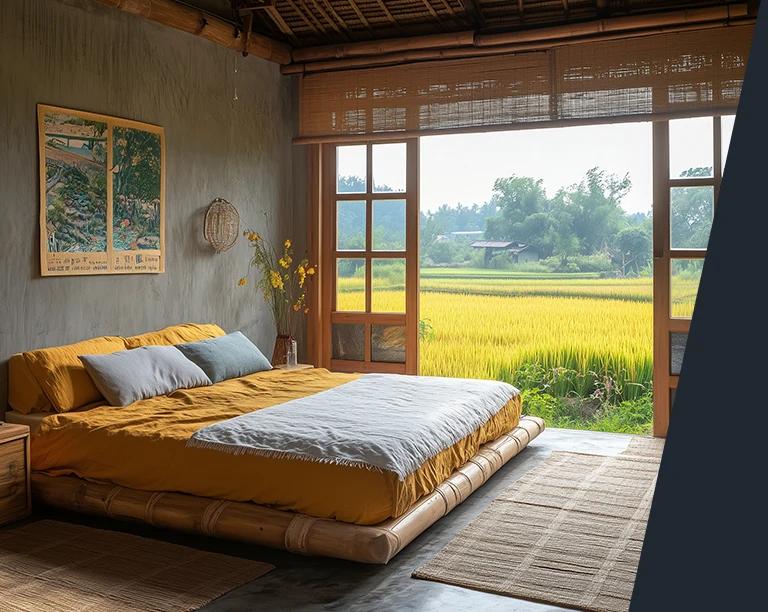
Authentic accommodation options blending comfort and sustainability
Beyond standard hotels, the rise of eco-lodges allows for sustainable stays near national parks, minimizing environmental impact while maximizing nature exposure. These establishments frequently utilize local materials like bamboo and thatch to blend with natural surroundings. Travelers seeking solitude can find private retreats hidden within limestone valleys or perched on hillsides, offering panoramic views of lush vegetation.
Coastal retreats offer private villas overlooking the East Sea, providing direct access to pristine sands. These resorts combine international luxury standards with distinctive Vietnamese architectural elements, such as tiled roofs and wooden beams. Service in these locations emphasizes the warmth and genuine friendliness inherent in local culture, ensuring a memorable and relaxing seaside escape.
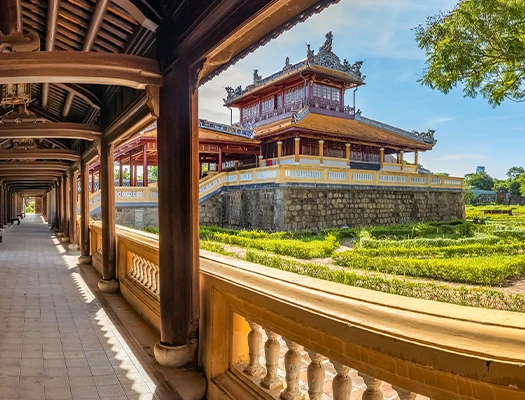

Staying with local families in community-based homestays
Living with local families provides authentic insight into daily routines. Guests share home-cooked meals and engage in cultural exchange within a domestic setting.

Private islands and luxury beach resort experiences
Private islands and secluded bays host high-end establishments. These locations focus heavily on wellness, spa treatments, and absolute serenity for complete relaxation.

Colonial-era heritage boutique hotels in major cities
Converted historical buildings in major cities blend French colonial architecture with local aesthetics. They offer a nostalgic atmosphere right in the center of urban action.
Annual festivals celebrating Vietnamese culture with color and vibrancy
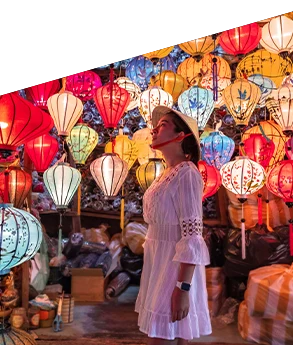
Tet Nguyen Dan: Lunar New Year celebrations
The Lunar New Year marks the most significant week. Families reunite to clean homes and share specialized dishes like Banh Chung to welcome prosperity.
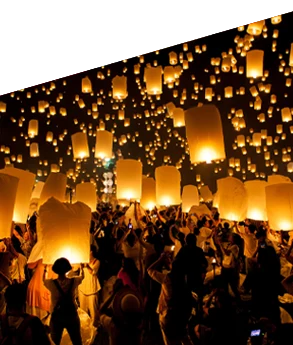
Children’s lantern parades during Mid-Autumn festival
Children parade with star-shaped lanterns under the full moon. They enjoy sweet mooncakes filled with lotus seeds and salted egg yolks during the evening.
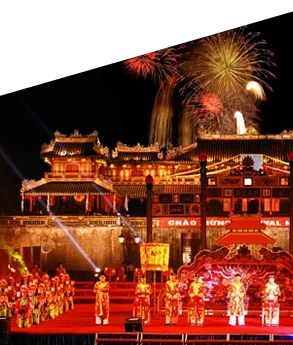
Royal performances at the biennial Hue Imperial festival
This biennial cultural showcase revives royal court music. Elaborate costumes and artistic performances take place within the walls of the ancient citadel.
Local festival dates
Transportation networks connecting Vietnam’s diverse regions
Moving between regions involves a mix of nostalgic rail journeys and rapid modern transit. Travelers must adapt to the organized chaos of urban streets where traffic flows like water, or opt for domestic flights to cover vast distances quickly. The transport infrastructure connects remote highland provinces with coastal economic hubs, facilitating exploration across diverse terrain.
Exploring Vietnam using various transportation modes
Natural wonders showcasing Vietnam’s geographical diversity
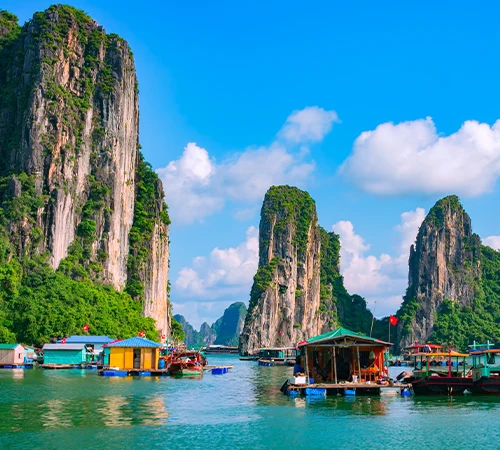
UNESCO-protected limestone karst formations and islets
Thousands of islets rise from emerald waters. These create natural fortresses protected by UNESCO and are best explored by boat.
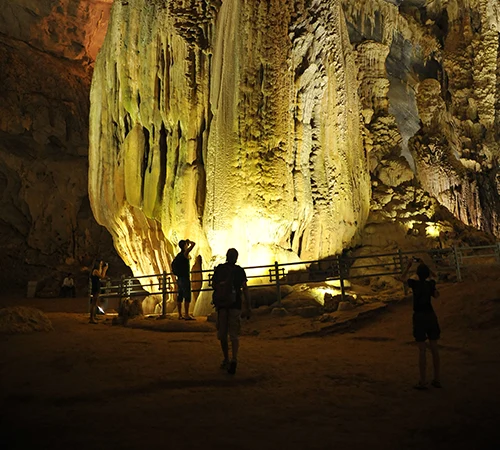
World’s largest cave systems in Quang Binh
The world’s largest subterranean passages hide here. Underground rivers and unique ecosystems thrive in the dark depths of Quang Binh.
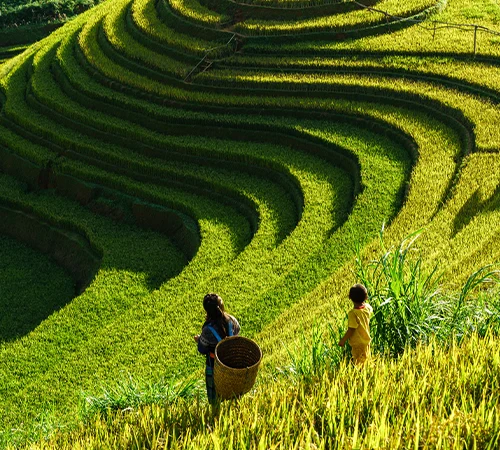
Rice cultivation on terraced mountain slopes
Generations of farmers have sculpted mountainsides. They cultivate rice in challenging elevations, creating stunning visual patterns that change with the seasons.